
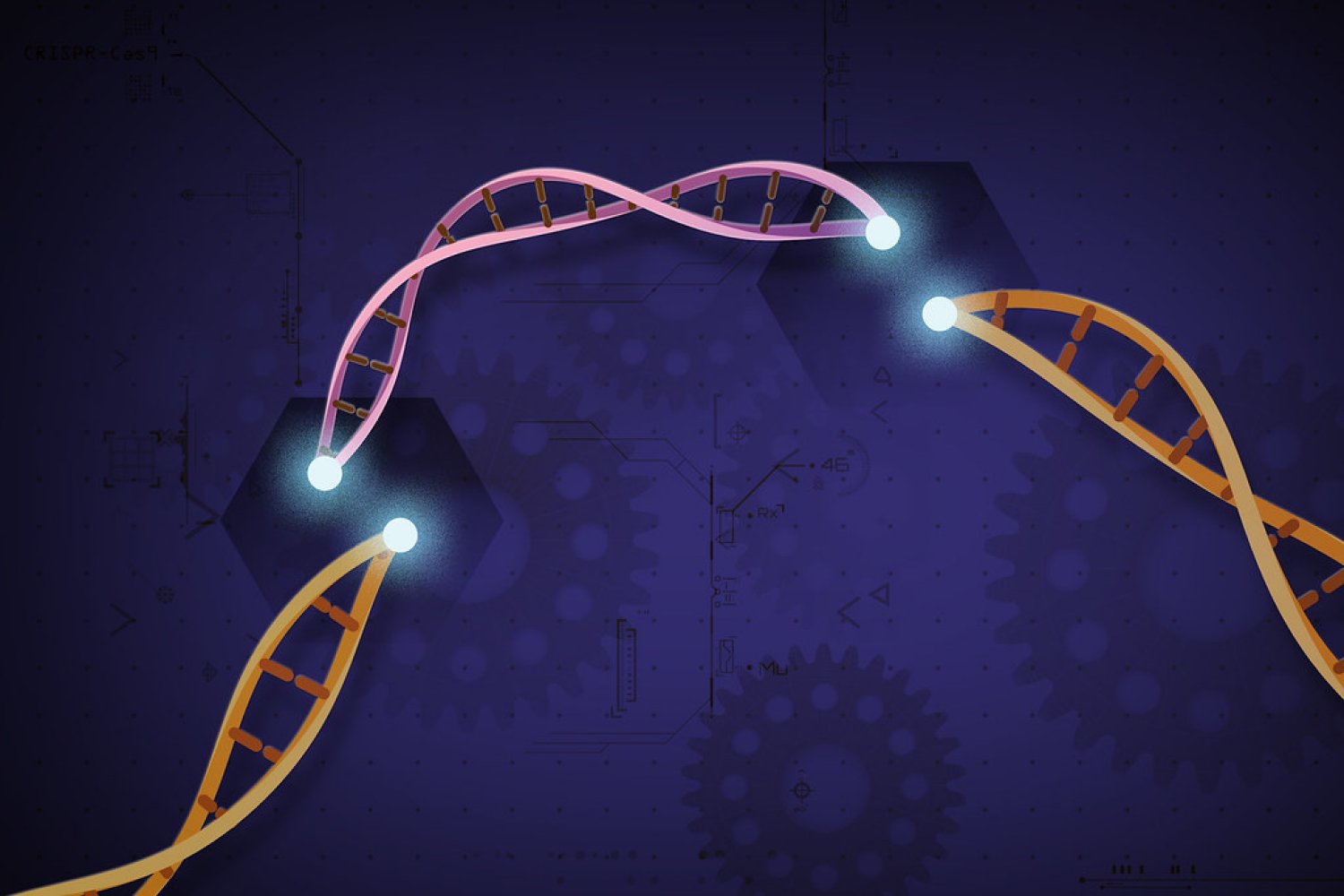
The U.S. Food and Drug Administration’s recent approval of the first CRISPR-Cas9–based gene therapy has marked a major milestone in biomedicine, validating genome editing as a promising treatment strategy for disorders like sickle cell disease, muscular dystrophy, and certain cancers.CRISPR-Cas9, often likened to “molecular scissors,” allows scientists to cut DNA at targeted sites to snip, repair, or replace genes. But despite its power, Cas9 poses a critical safety risk: The active enzyme can linger in cells and cause unintended DNA breaks — so-called off-target effects — which may trigger harmful…


