
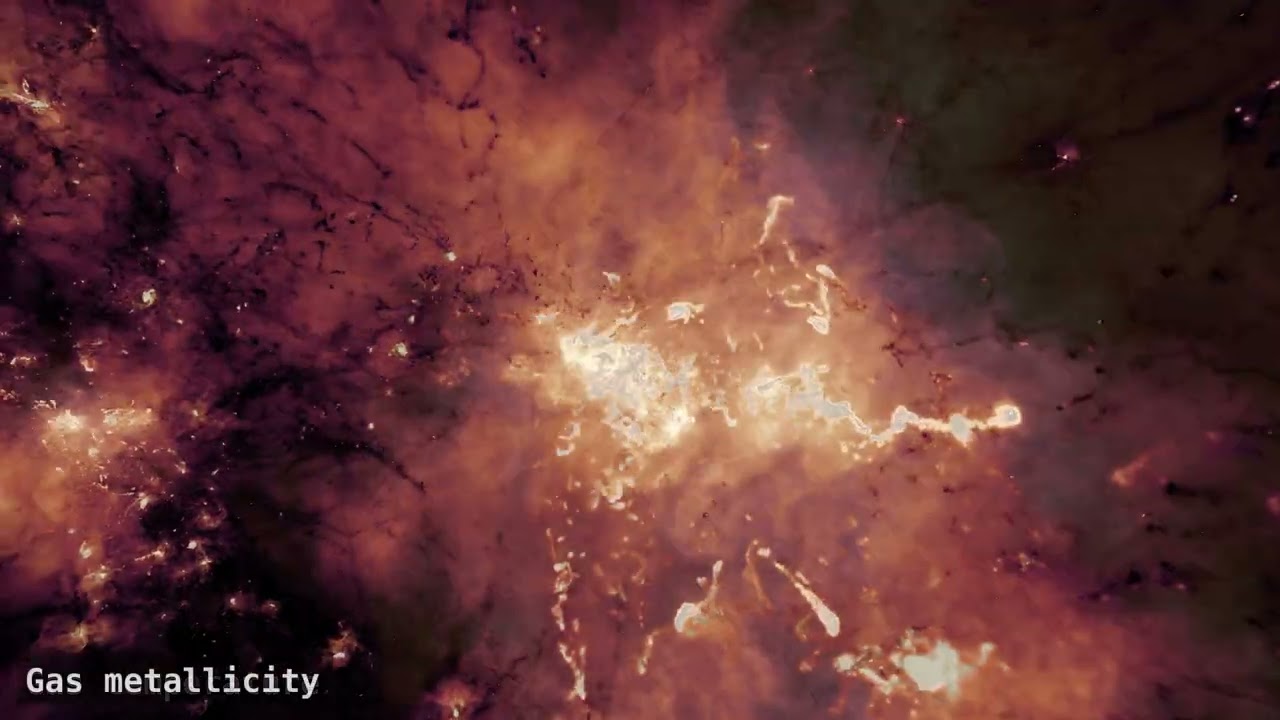
With the Big Bang, the universe burst into existence as a hot and dense soup of electrons and subatomic particles. This primordial ionized plasma, initially smaller than a single atom, rapidly expanded and cooled. In the process, particles in the soup slowed enough to bind with electrons, forming electrically neutral hydrogen. As this neutral hydrogen accumulated, the effect was like a shroud, preventing light and other forms of radiation from freely passing through. Around 380,000 years after the Big Bang, the universe was plunged into a cosmic “dark age.” Now, a new…


