
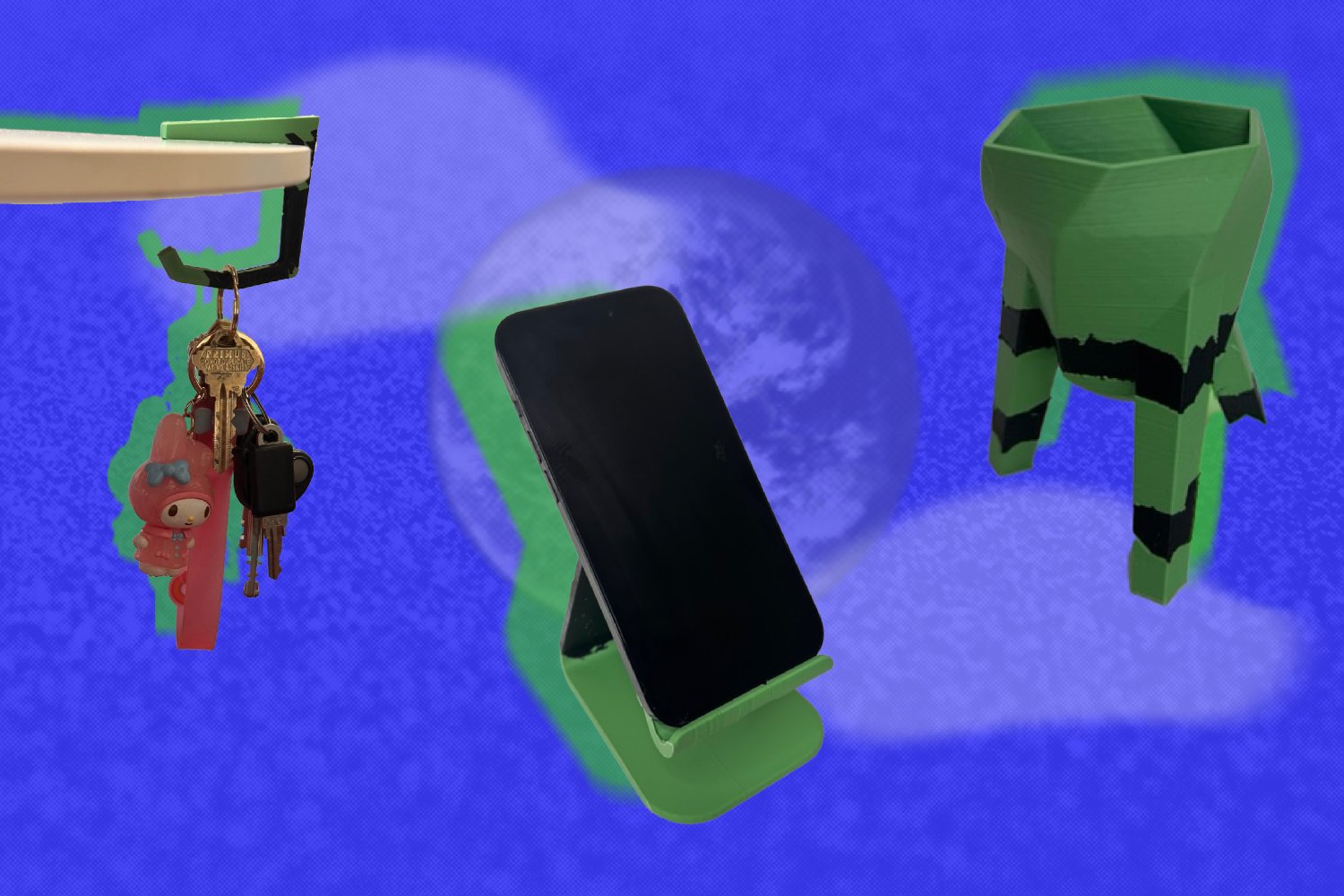
3D printing has come a long way since its invention in 1983 by Chuck Hull, who pioneered stereolithography, a technique that solidifies liquid resin into solid objects using ultraviolet lasers. Over the decades, 3D printers have evolved from experimental curiosities into tools capable of producing everything from custom prosthetics to complex food designs, architectural models, and even functioning human organs. But as the technology matures, its environmental footprint has become increasingly difficult to set aside. The vast majority of consumer and industrial 3D printing still relies on petroleum-based plastic filament. And…


